The confusion between patio vs deck is very common among homeowners planning outdoor spaces. Imagine a family planning a weekend barbecue in their backyard. One group prefers a stone floor under the open sky, while another dreams of a raised wooden platform overlooking the garden.
This is where the debate of patio vs deck begins. Many people use these terms interchangeably, but they are actually quite different in design, structure, and purpose. Understanding patio vs deck helps in making better architectural decisions, saving cost, and improving outdoor aesthetics.
In real estate and landscaping, knowing the difference between patio vs deck can completely change how you design your living space.
Key Difference Between Patio and Deck
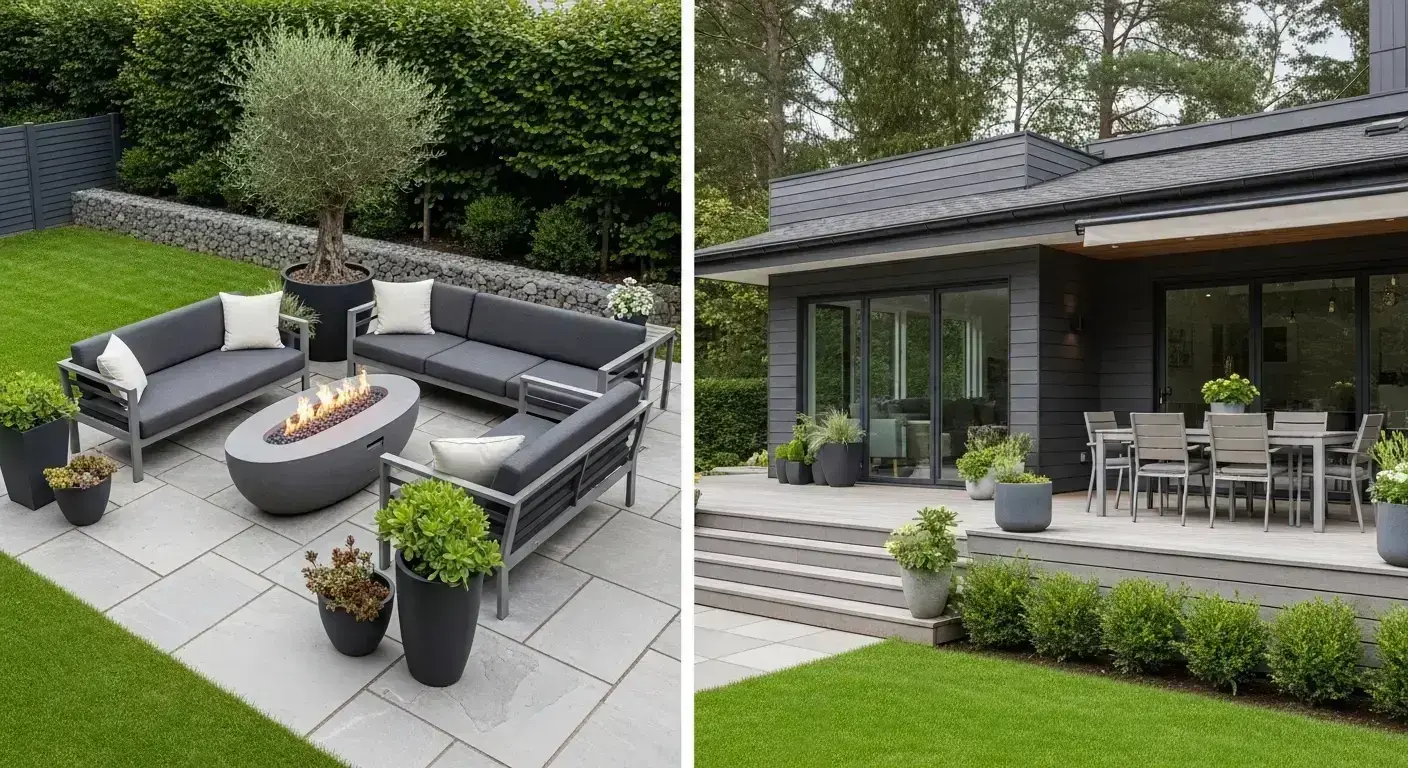
The main difference is that a patio is usually built on the ground using stone, concrete, or tiles, while a deck is a raised structure made mostly of wood or composite materials. Patios are more natural and ground-connected, whereas decks are elevated and often attached to a house.
Difference Between Ukrainian and Russian: in (2026)
Why Knowing the Difference is Important
Understanding patio vs deck is important for homeowners, architects, and learners in construction fields. It affects budgeting, safety, and design selection. A wrong choice can lead to maintenance issues or structural problems. In society, outdoor spaces improve lifestyle, increase property value, and support social gatherings. Knowing the correct use of patio vs deck helps people create functional, beautiful, and durable outdoor environments that suit climate and lifestyle needs.
Pronunciation
- Patio
- US: /ˈpæ.ti.oʊ/
- UK: /ˈpæt.i.əʊ/
- Deck
- US: /dɛk/
- UK: /dɛk/
Now let’s move deeper into a detailed comparison of patio vs deck and understand their real-world applications.
Difference Between Microprocessor and Microcontroller: in (2026)
Difference Between Patio and Deck (10 Key Points)
1. Structure
- Patio: Built on ground level
- Example: Stone patio in a garden backyard
- Example: Concrete patio for outdoor dining
- Deck: Elevated structure
- Example: Wooden deck attached to a house
- Example: Balcony-style deck over a slope
2. Materials
- Patio: Concrete, bricks, tiles
- Example: Brick patio for traditional homes
- Example: Stone patio in parks
- Deck: Wood, composite, PVC
- Example: Timber deck for villas
- Example: Composite deck in modern homes
3. Height
- Patio: Always ground level
- Example: Backyard patio on soil base
- Example: Garden patio near lawn
- Deck: Raised above ground
- Example: Elevated deck for views
- Example: Multi-level deck on hills
4. Installation Cost
- Patio: Generally cheaper
- Example: Simple cement patio in villages
- Example: Budget patio for small homes
- Deck: More expensive
- Example: Luxury wooden deck
- Example: Composite deck with railing
5. Maintenance
- Patio: Low maintenance
- Example: Stone patio needs occasional cleaning
- Example: Concrete patio lasts long
- Deck: Requires regular care
- Example: Wooden deck needs polishing
- Example: Deck needs termite protection
6. Durability
- Patio: Very durable
- Example: Brick patio lasting decades
- Example: Stone patio resisting weather
- Deck: Moderately durable
- Example: Wooden deck affected by moisture
- Example: Composite deck more stable
7. Aesthetic Style
- Patio: Natural, earthy look
- Example: Rustic garden patio
- Example: Mediterranean-style patio
- Deck: Modern, stylish look
- Example: Contemporary rooftop deck
- Example: Luxury poolside deck
8. Weather Suitability
- Patio: Better for hot climates
- Example: Dry region stone patio
- Example: Sunny backyard patio
- Deck: Good for wet or uneven land
- Example: Elevated deck in rainy areas
- Example: Coastal wooden deck
9. Functionality
- Patio: Ideal for dining and relaxing
- Example: Family picnic patio
- Example: Outdoor tea patio
- Deck: Ideal for viewing and elevation use
- Example: Scenic hill deck
- Example: Poolside entertainment deck
10. Construction Time
- Patio: Faster to build
- Example: One-week concrete patio
- Example: Simple brick patio project
- Deck: Takes longer
- Example: Complex wooden deck installation
- Example: Multi-level deck construction
Nature and Behaviour of Patio vs Deck
A patio behaves as a stable, grounded structure that blends naturally with the landscape. It is firm, permanent, and resistant to environmental changes. A deck, however, behaves like an adaptable extension of a building. It adjusts to terrain and height differences, offering flexibility in design. While patios feel earthy and solid, decks feel elevated and open.
Why People Get Confused About Patio vs Deck
People often confuse patio vs deck because both serve similar purposes—outdoor relaxation, dining, and social gatherings. Modern architecture also blends their designs, making differences less obvious. In some homes, a deck may be built at ground level, and patios may include wooden features, increasing confusion.
Table: Difference and Similarity Between Patio and Deck
| Feature | Patio | Deck |
| Location | Ground level | Elevated |
| Material | Stone, concrete | Wood, composite |
| Cost | Lower | Higher |
| Maintenance | Low | Moderate to high |
| Use | Relaxation, dining | Viewing, entertainment |
| Similarity | Both enhance outdoor living spaces | Both enhance outdoor living spaces |
Which is Better in What Situation?
A patio is better for homeowners who want a low-cost, durable, and low-maintenance outdoor area. It is ideal for flat land and warm climates where ground-level living is preferred. Patios are perfect for family gatherings, garden tea setups, and simple outdoor seating arrangements.
A deck is better for uneven land, sloped gardens, or scenic views. It is also ideal for modern homes that want a stylish and elevated outdoor space. Decks are commonly used near pools, rooftops, or hillsides where elevation adds value and beauty.
Metaphors and Similes
- Patio as a metaphor: A patio is like “the heart of the garden,” grounded and warm.
- Example: The patio became the heart of every evening gathering.
- Deck as a metaphor: A deck is like “a floating stage above nature.”
- Example: The deck felt like a floating stage above the valley.
- Simile:
- The patio is as steady as the earth beneath our feet.
- The deck is as light as a balcony in the sky.
Connotative Meaning
- Patio: Neutral to positive
- Conveys stability, warmth, simplicity
- Example: A cozy patio for family dinners
- Deck: Positive
- Conveys luxury, elevation, modern lifestyle
- Example: A stylish deck with sunset views
Idioms or Proverbs (Related Usage)
While there are no direct idioms, creative usage exists:
- “Life begins on the patio” → meaning comfort and home relaxation
- Example: After a long day, life begins on the patio with tea and peace.
- “Stand on the deck of dreams” → meaning ambition and vision
- Example: She stood on the deck of dreams, watching her future unfold.
Works in Literature (Related Themes)
- Landscape Architecture and Garden Design (Genre: Non-fiction, Various authors, 20th century)
- Outdoor Living: Design and Construction (Genre: Technical writing, 2000s, various authors)
(Direct literary works focusing only on patio/deck are rare; they mostly appear in architectural texts.)
Movies Featuring “Deck” or Related Theme
- Deck the Halls (2006, USA) – Comedy film featuring holiday home decorations and house exterior themes
- The Notebook (2004, USA) – Features iconic wooden porch/deck-style outdoor scenes
- (Direct “patio”-named films are not commonly found in mainstream cinema.)
Frequently Asked Questions
1. What is the main difference between patio and deck?
A patio is ground-level and made of stone or concrete, while a deck is elevated and usually made of wood.
2. Which is cheaper, patio or deck?
A patio is generally cheaper than a deck.
3. Which lasts longer?
Patios usually last longer due to durable materials like stone and concrete.
4. Can a patio be wooden?
No, patios are typically not wooden; that is a characteristic of decks.
5. Which is better for small spaces?
Patios are better for small, flat outdoor areas.
How Both Are Useful for Surroundings
Both patios and decks improve outdoor living experiences. They create social spaces, increase property value, and enhance environmental aesthetics. Patios connect people with nature at ground level, while decks provide elevated views and modern outdoor living comfort. Together, they contribute to better lifestyle design and urban architecture.
Final Words
Both the patio vs deck represent essential elements of outdoor architecture. One offers grounded simplicity, while the other delivers elevated elegance. Choosing between them depends on land structure, budget, and lifestyle needs. Understanding both helps in making smarter design decisions for homes and public spaces.
Conclusion
In summary, the debate of patio vs deck is not about which one is absolutely better, but about which one suits a specific environment and purpose. A patio brings earthy comfort and low maintenance, making it ideal for traditional outdoor living.
A deck, on the other hand, adds elevation, style, and scenic advantage, perfect for modern architectural designs. Both structures enhance lifestyle, increase property value, and improve outdoor usability. By understanding their differences, homeowners and designers can create more functional and visually appealing outdoor spaces that truly match their needs.

Hi, I’m DreamAnchor, the author behind GrammarCircle. I am passionate about language, writing, and helping people understand the small but important differences in English words and concepts. Through my work, I focus on explaining grammar rules, word comparisons, and language usage in a simple and practical way so that students, writers, and professionals can improve their communication skills.