Imagine visiting a busy city market. Every shop has its own place, and every worker has a specific role. The fruit seller stays in one corner, the baker works in another area, and the delivery person moves around serving customers.
Nature works in a very similar way. In ecology, scientists use the terms habitat and niche to explain where organisms live and what role they play in the environment. Many students and even professionals often search for the difference between habitat and niche because these terms sound related but actually describe different ecological ideas.
Understanding the difference between habitat and niche helps us learn how animals, plants, and microorganisms survive together. The difference between habitat and niche is important in biology, environmental science, and wildlife conservation. Once you clearly understand the difference between habitat and niche, ecological concepts become much easier to study and apply in real life.
Key Difference Between Habitat and Niche
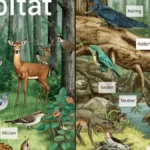
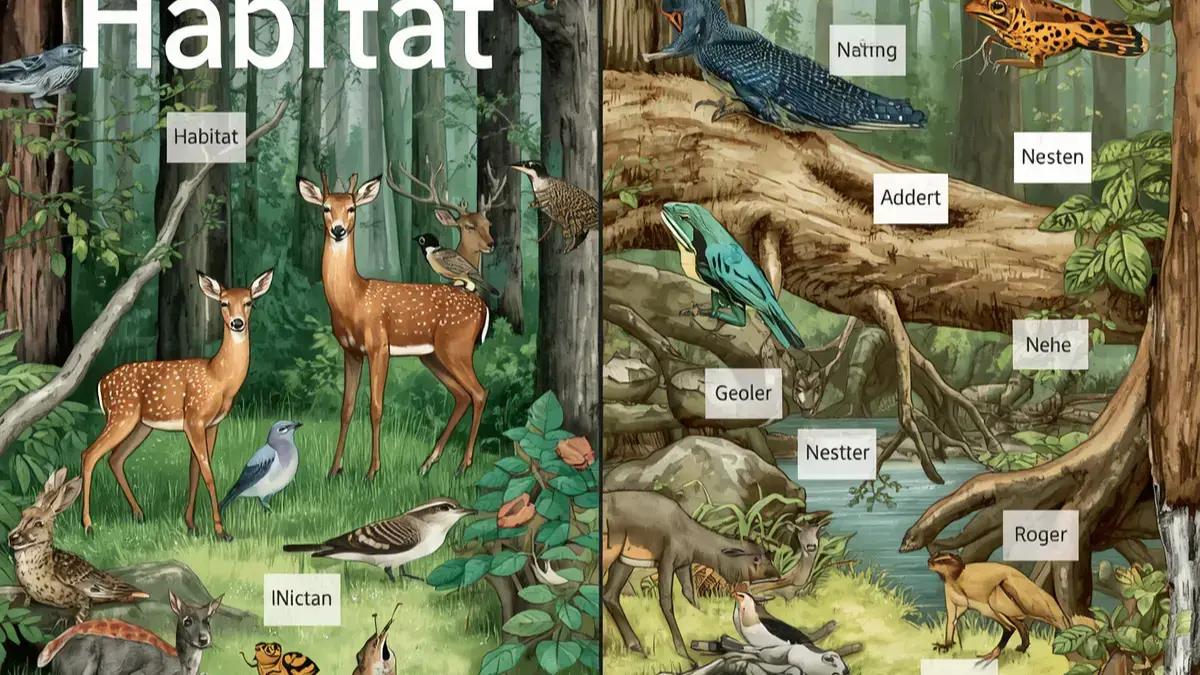
A habitat is the physical place where an organism lives, while a niche is the role or function that organism performs within its environment.
For example:
- A pond is the habitat of a frog.
- Eating insects and serving as prey for snakes is part of the frog’s niche.
In simple words:
- Habitat = Address
- Niche = Profession or Role
Difference Between ADD and ADHD: Clear Guide for (2026)
Why Is Their Difference Necessary to Know for Learners and Experts?
Understanding habitat and niche is extremely important because these concepts explain how ecosystems remain balanced.
Importance for Students
- Helps understand ecology clearly.
- Improves biological knowledge.
- Makes environmental science easier to study.
Importance for Experts
- Helps in wildlife conservation.
- Supports ecosystem management.
- Assists scientists in protecting endangered species.
Difference Between DVM and VMD – Complete Guide for Students:
Importance for Society
- Prevents environmental destruction.
- Encourages biodiversity conservation.
- Helps humans understand the impact of pollution and climate change.
Without understanding habitat and niche, protecting ecosystems becomes difficult because scientists would not know where organisms live or how they contribute to nature.
Pronunciation of Both Words
| Word | US Pronunciation | UK Pronunciation |
| Habitat | /ˈhæbəˌtæt/ | /ˈhæbɪtæt/ |
| Niche | /niːʃ/ or /nɪtʃ/ | /niːʃ/ |
Linking Hook
Now that we understand the basic meanings of these ecological terms, let us explore the detailed difference between habitat and niche through practical examples and easy explanations.
Difference Between Habitat and Niche
| Feature | Habitat | Niche |
| Meaning | Physical place where organism lives | Functional role of organism |
| Nature | Tangible | Conceptual |
| Focus | Location | Activity |
| Includes | Climate, water, shelter | Feeding, behavior, interaction |
| Shared By | Many species can share one habitat | Usually unique for each species |
| Example | Forest, desert, ocean | Predator, pollinator |
| Changes | May change due to migration | Changes due to adaptation |
| Ecology Type | Spatial concept | Functional concept |
| Competition | Less direct | More direct |
| Importance | Provides living space | Maintains ecosystem balance |
10 Points of Difference Between Habitat and Niche
1. Meaning
A habitat is a natural home of an organism.
A niche is the organism’s role in nature.
Habitat Examples
- A desert is the habitat of camels.
- Oceans are habitats for whales.
Niche Examples
- Camels conserve water in deserts.
- Whales regulate marine food chains.
2. Nature
Habitat is physical and visible.
Niche is functional and abstract.
Habitat Examples
- Forests provide shelter for birds.
- Rivers support fish populations.
Niche Examples
- Birds spread seeds.
- Fish maintain aquatic balance.
3. Scope
Habitat focuses on location.
Niche focuses on responsibilities.
Habitat Examples
- Polar bears live in Arctic habitats.
- Monkeys live in rainforests.
Niche Examples
- Polar bears are top predators.
- Monkeys disperse fruits and seeds.
4. Sharing Ability
Many organisms can share one habitat.
Usually, organisms cannot share the same niche completely.
Habitat Examples
- Deer and rabbits live in forests.
- Fish and turtles live in ponds.
Niche Examples
- Lions and cheetahs hunt differently.
- Bees and butterflies pollinate different flowers.
5. Relation to Environment
Habitat relates to surroundings.
Niche relates to interaction.
Habitat Examples
- Wetlands support frogs.
- Grasslands support zebras.
Niche Examples
- Frogs control insects.
- Zebras help nutrient cycling.
6. Stability
Habitats may remain stable for long periods.
Niches can evolve with adaptation.
Habitat Examples
- Coral reefs remain marine habitats.
- Mountains remain habitats for goats.
Niche Examples
- Birds may change feeding patterns.
- Wolves adapt hunting strategies.
7. Competition
Habitat competition is usually lower.
Niche competition is stronger.
Habitat Examples
- Different birds live in one forest.
- Many fish species live in oceans.
Niche Examples
- Two predators compete for prey.
- Plants compete for sunlight.
8. Components
Habitat includes temperature, water, and shelter.
Niche includes diet, reproduction, and behavior.
Habitat Examples
- Desert habitats are dry.
- Tundra habitats are cold.
Niche Examples
- Owls hunt at night.
- Earthworms recycle soil nutrients.
9. Scientific Importance
Habitat studies focus on conservation areas.
Niche studies focus on ecosystem functions.
Habitat Examples
- National parks preserve habitats.
- Marine reserves protect coral reefs.
Niche Examples
- Pollinators support agriculture.
- Predators control populations.
10. Relationship with Survival
Habitat provides basic living conditions.
Niche ensures ecological survival.
Habitat Examples
- Lakes provide water for fish.
- Trees provide homes for squirrels.
Niche Examples
- Fish clean aquatic ecosystems.
- Squirrels spread seeds.
Nature and Behaviour of Both
Nature and Behaviour of Habitat
Habitats are physical environments shaped by climate, geography, and natural resources. They provide food, shelter, water, and breeding grounds for organisms. Habitats may be terrestrial, aquatic, or aerial.
Nature and Behaviour of Niche
Niches describe how organisms behave within ecosystems. They include feeding habits, interactions, reproduction, and survival strategies. Niches help reduce competition and maintain ecological balance.
Why Are People Confused About Their Use?
People often confuse habitat and niche because both relate to organisms and environments. In many textbooks, these concepts are explained together, making them seem similar.
Another reason is that habitat and niche are connected:
- Habitat explains where an organism lives.
- Niche explains how it lives.
Since both concepts depend on each other, learners frequently mix them up.
Difference and Similarity Between Habitat and Niche
| Aspect | Habitat | Niche | Similarity |
| Definition | Place of living | Functional role | Both relate to ecology |
| Type | Physical | Functional | Both support survival |
| Concern | Environment | Behavior | Both affect ecosystems |
| Role in Ecology | Provides space | Provides balance | Both maintain biodiversity |
| Importance | Shelter and resources | Interaction and adaptation | Both are necessary for life |
Which Is Better in What Situation?
Habitat
Habitat is more important when discussing conservation, wildlife protection, and environmental preservation. Scientists use habitat studies to identify where endangered animals live and how to protect their environments. Without proper habitats, organisms cannot survive. Habitat-focused research is useful in forestry, marine biology, and climate studies.
Niche
Niche is more important when studying ecosystem interactions and food chains. It explains how organisms contribute to ecological balance. Understanding niches helps scientists predict environmental changes and species competition. Niche studies are valuable in ecology, agriculture, and biodiversity management because they reveal the functional importance of organisms.
How the Keywords Are Used in Metaphors and Similes
Habitat in Figurative Language
- “The library was her natural habitat.”
- “He moved through the office like a tiger in its habitat.”
Niche in Figurative Language
- “She found her niche in teaching.”
- “The startup created a niche in the tech market.”
Connotative Meaning of Both Keywords
| Word | Connotation | Example |
| Habitat | Neutral/Positive | “A peaceful habitat for wildlife.” |
| Niche | Positive | “He built a niche career in design.” |
Idioms or Proverbs Related to the Words
Although there are no direct traditional idioms using these exact terms, related expressions exist.
Related to Habitat
“Fish out of water”
Meaning: Feeling uncomfortable in unfamiliar surroundings.
Example:
- “He felt like a fish out of water in the new school.”
Related to Niche
“Find your place in the world”
Meaning: Discover your suitable role.
Example:
- “After years of struggle, she finally found her place in the world.”
Works in Literature Using the Keywords
Habitat
- “The Human Habitat” — Ecology/Science, Gerald Edelman, 2000
- “Habitat” — Science Fiction, Matthew Costello, 1997
Niche
- “Niche Construction” — Scientific Literature, F. John Odling-Smee, 2003
- “The Ecological Niche” — Ecology, various academic writers, 20th century
Movie Names Related to the Keywords
Habitat
- “Habitat” — 1997, USA
- “Strange Habitat” — 2020, Argentina
Niche
Direct movie titles using “Niche” are uncommon, but documentaries on ecological niches exist in educational cinema.
Frequently Asked Questions
1. What is the main difference between habitat and niche?
Habitat is where an organism lives, while niche is the role it performs in the ecosystem.
2. Can two organisms share the same habitat?
Yes, many organisms can share the same habitat.
3. Can two organisms share the same niche?
Usually not completely, because competition occurs.
4. Is habitat physical or functional?
Habitat is physical.
5. Why is niche important?
Niche helps maintain ecological balance and biodiversity.
How Both Are Useful for Surroundings
Habitats support life by providing food, water, and shelter. Niches maintain ecosystem stability by organizing interactions between organisms. Together, they ensure environmental balance, biodiversity, and healthy ecosystems.
For example:
- Forest habitats store oxygen-producing trees.
- Pollinator niches help crops grow successfully.
Final Words for Both
Habitat and niche are closely connected ecological concepts, but they are not identical. Habitat gives organisms a place to live, while niche gives them a purpose within the ecosystem. Understanding both helps people appreciate nature and environmental balance more deeply.
Conclusion
The difference between habitat and niche is one of the most important concepts in ecology. A habitat refers to the natural environment where an organism lives, while a niche explains the organism’s role and interactions within that environment. Although these terms are closely related, they serve different scientific purposes.
Learning the difference between habitat and niche improves understanding of ecosystems, biodiversity, and environmental conservation. Whether you are a student, teacher, or environmental expert, knowing these concepts helps explain how living organisms survive and cooperate in nature. In a world facing climate change and habitat destruction, understanding habitat and niche has become more important than ever for protecting life on Earth.

Hi, I’m DreamAnchor, the author behind GrammarCircle. I am passionate about language, writing, and helping people understand the small but important differences in English words and concepts. Through my work, I focus on explaining grammar rules, word comparisons, and language usage in a simple and practical way so that students, writers, and professionals can improve their communication skills.