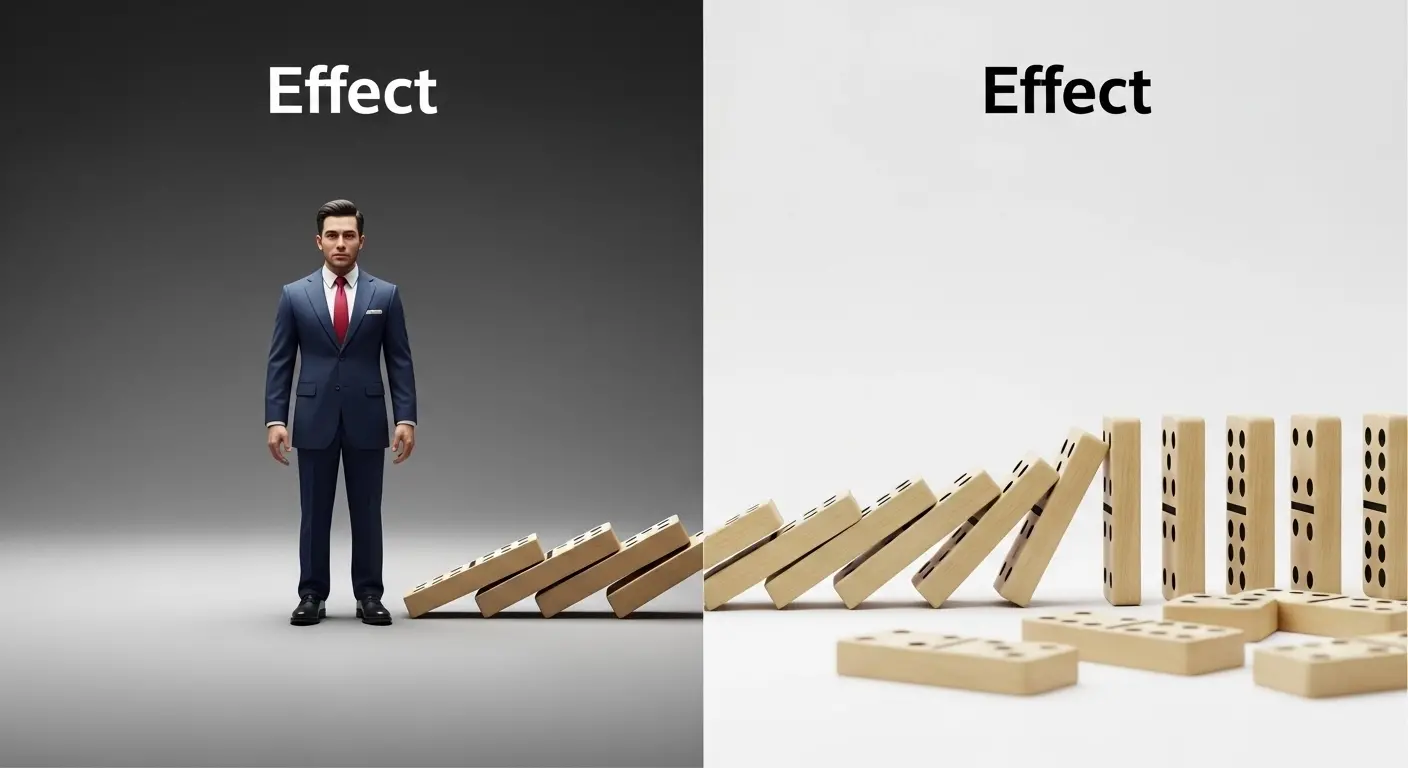
A few days ago, a student was writing an essay about climate change and wrote, “Global warming effects the weather.” The teacher paused, smiled, and corrected it to “affects.” This small correction highlighted a common confusion: the difference between affects and effects. These two words sound similar, look alike, and are often used in overlapping contexts, making them tricky even for experienced writers.
Understanding the difference between affects and effects is essential for clear communication. Whether you’re writing academically, professionally, or casually, misusing these terms can change the meaning of your sentence. The difference between affects and effects lies not just in spelling but also in their grammatical roles and meanings. In this article, we’ll break down the difference between affects and effects in a simple and practical way so you can use them confidently.
Key Difference Between the Both
The core difference between affects and effects is:
- Affect is usually a verb meaning “to influence.”
- Effect is usually a noun meaning “a result or outcome.”
Difference Between Hog and Pig: in (2026)
Why Is Their Difference Important in Society?
Understanding the difference between affects and effects is crucial for both learners and professionals. In education, using the correct term ensures clarity in writing and avoids misunderstandings. In fields like medicine, law, and business, confusion between these words can lead to serious misinterpretations. For example, in healthcare, “side effects” refers to outcomes, not actions. Mastery of such distinctions improves communication, builds credibility, and reflects attention to detail—qualities highly valued in society.
Pronunciation (US & UK)
- Affect
- US: /əˈfɛkt/
- UK: /əˈfekt/
- Effect
- US: /ɪˈfɛkt/
- UK: /ɪˈfekt/
- Difference Between Dip and Acrylic: in (2026)
Linking Hook
Now that you understand the basics, let’s dive deeper into the difference between affects and effects with detailed comparisons, examples, and real-life applications.
Difference Between Affects and Effects
1. Part of Speech
- Affect: Verb
- Example 1: Lack of sleep affects your health.
- Example 2: Stress affects your mood.
- Effect: Noun
- Example 1: The effect of stress is anxiety.
- Example 2: The medicine had a quick effect.
2. Meaning
- Affect: To influence something
- Example 1: Rain affects crop growth.
- Example 2: Noise affects concentration.
- Effect: The result of influence
- Example 1: The effect of rain is better crops.
- Example 2: The effect of noise is distraction.
3. Usage in Sentences
- Affect: Action-oriented
- Example 1: Pollution affects the environment.
- Example 2: His words affected her deeply.
- Effect: Result-oriented
- Example 1: Pollution has harmful effects.
- Example 2: His speech had a strong effect.
4. Grammatical Role
- Affect: Requires an object
- Example 1: This change affects everyone.
- Example 2: Diet affects energy levels.
- Effect: Often follows articles (the, an)
- Example 1: The effect was immediate.
- Example 2: An effect was noticeable.
5. Common Context
- Affect: Used in actions
- Example 1: Weather affects travel plans.
- Example 2: Education affects future success.
- Effect: Used in results
- Example 1: The effect of education is growth.
- Example 2: The effect of planning is success.
6. Emotional Context
- Affect: Can relate to emotions (verb)
- Example 1: Sad news affected him.
- Example 2: Music affects feelings.
- Effect: Outcome of emotions
- Example 1: The effect was sadness.
- Example 2: The effect of music is calmness.
7. Scientific Use
- Affect: Cause
- Example 1: Chemicals affect reactions.
- Example 2: Temperature affects speed.
- Effect: Result
- Example 1: The effect is faster reaction.
- Example 2: The effect is expansion.
8. Formal Writing
- Affect: Used to describe impact
- Example 1: Policy changes affect society.
- Example 2: Laws affect citizens.
- Effect: Used to show outcomes
- Example 1: Policy effects are visible.
- Example 2: Law effects include safety.
9. Rare Usage
- Affect: Can be a noun (psychology)
- Example 1: Flat affect is a symptom.
- Example 2: His affect was dull.
- Effect: Can be a verb (to bring about)
- Example 1: The policy effected change.
- Example 2: They effected reforms.
10. Memory Trick
- Affect: A = Action
- Example 1: Exercise affects health.
- Example 2: Diet affects weight.
- Effect: E = End result
- Example 1: The effect is weight loss.
- Example 2: The effect is better health.
Nature and Behaviors
- Affect: Active, dynamic, and action-based. It shows influence or change happening.
- Effect: Passive, result-based, and outcome-focused. It shows what happens after the action.
Why Are People Confused?
People confuse these words because they sound similar and are often used in related contexts. Both deal with cause and result, making their meanings closely connected. Additionally, exceptions in usage (like “effect” as a verb) increase confusion.
Difference and Similarity
| Aspect | Affect | Effect | Similarity |
| Type | Verb | Noun | Both relate to change |
| Meaning | Influence | Result | Both linked to cause-effect |
| Usage | Action | Outcome | Often used together |
| Example | It affects growth | It has an effect | Same context |
| Sound | Similar pronunciation | Similar pronunciation | Causes confusion |
Which Is Better in What Situation?
Affect is better when you are describing an action or influence. It is useful in discussions about change, impact, or cause. For example, in scientific writing, “Temperature affects pressure” clearly explains an ongoing influence. It helps when focusing on the process rather than the outcome.
Effect is better when discussing results or consequences. It is commonly used in reports, analysis, and observations. For instance, “The effect of the policy was improved safety” highlights the result. It is ideal when emphasizing outcomes rather than actions.
Metaphors and Similes
- Affect: “His words affected her like a storm hitting the shore.”
- Effect: “The effect of the news was like a calm after chaos.”
Connotative Meanings
- Affect: Neutral
- Example: Weather affects crops.
- Effect: Neutral (can be positive/negative depending on context)
- Positive: The effect was happiness.
- Negative: The effect was damage.
Idioms and Proverbs
(No direct idioms for these exact words, but related expressions exist)
- “Cause and effect”
- Example: Every action has a cause and effect.
- “Ripple effect”
- Example: One decision created a ripple effect across the company.
Works in Literature
- Cause and Effect Essays (Academic Genre, Various Authors, Modern Era)
- The Butterfly Effect Concept (Scientific Literature, Edward Lorenz, 1963)
Movies Related
- The Butterfly Effect (2004, USA)
- Side Effects (2013, USA)
FAQs
1. Can affect be a noun?
Yes, in psychology, it means emotional expression.
2. Can effect be a verb?
Yes, it means “to bring about,” but it is less common.
3. Which is more commonly used?
“Affect” as a verb and “effect” as a noun.
4. How can I remember the difference?
Affect = Action, Effect = End result.
5. Are they interchangeable?
No, they have different meanings and roles.
How Both Are Useful for Surroundings
Both words help us describe changes and outcomes in our environment. Whether discussing climate change, social issues, or personal growth, understanding cause (affect) and result (effect) allows us to communicate clearly and analyze situations effectively.
Final Words for Both
“Affect” drives the action, while “effect” reveals the result. Together, they form the foundation of logical thinking and communication.
Conclusion
The difference between affects and effects may seem small, but it plays a significant role in clear communication. “Affect” focuses on influence and action, while “effect” highlights results and outcomes.
By understanding their meanings, pronunciation, and usage, you can avoid common mistakes and improve your writing skills. Whether you’re a student, writer, or professional, mastering the difference between affects and effects will enhance your ability to express ideas accurately. Keep practicing with examples, and soon the confusion will disappear.

Hi, I’m DreamAnchor, the author behind GrammarCircle. I am passionate about language, writing, and helping people understand the small but important differences in English words and concepts. Through my work, I focus on explaining grammar rules, word comparisons, and language usage in a simple and practical way so that students, writers, and professionals can improve their communication skills.