Period Inside or Outside Parentheses? Grammar Rules Explained
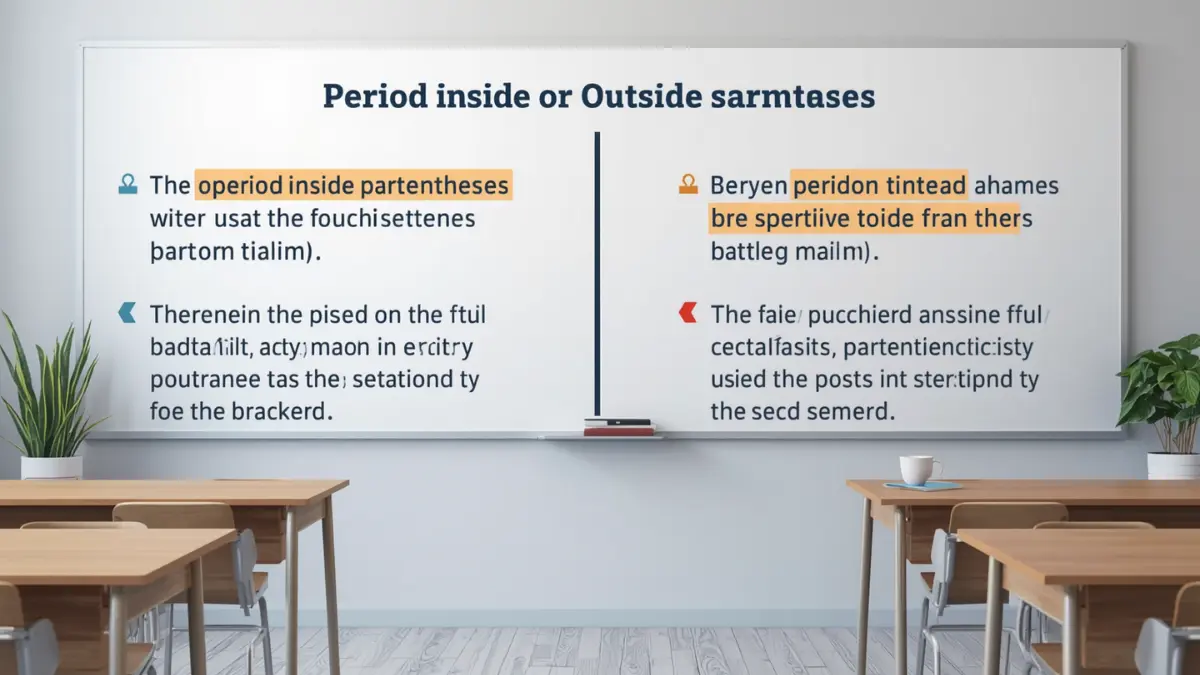
Many writers stop and think when they reach the end of a sentence with parentheses. Should the period go inside or outside the parentheses? This small punctuation rule causes big confusion in emails, essays, blogs, and business writing. That is why thousands of people search for “period inside or outside parentheses” every month. The confusion ...
Read more
Coming Down the Pike or Pipe: Which Phrase Is Correct

Many people feel confused about the phrase coming down the pike or pipe because both versions appear online, in conversations, and even in news articles. Some writers say “coming down the pipe,” while others use “coming down the pike.” Since the phrases sound similar, people often wonder which one is correct. Imagine a manager saying, ...
Read more
Tomatoes or Tomatos: Which Spelling Is Correct?

Should you write tomatoes or tomatos? This small spelling doubt confuses many English learners, bloggers, and even native speakers. The word appears in recipes, grocery lists, farming guides, and food blogs, yet people still hesitate: is it “tomatos” or “tomatoes”? The correct spelling is tomatoes, but many users search for tomatos or tomatoes because English ...
Read more
Coozie or Koozie: Meaning and Correct Usage Explained

Have you ever been at a summer party and heard someone say “pass me a coozie” while someone else writes “koozie” online? This creates confusion around the keyword coozie or koozie, especially for people who want to buy, sell, or write about drink holders. The coozie or koozie debate is common in search engines because ...
Read more
Good At or Good In: Which One Is Correct?
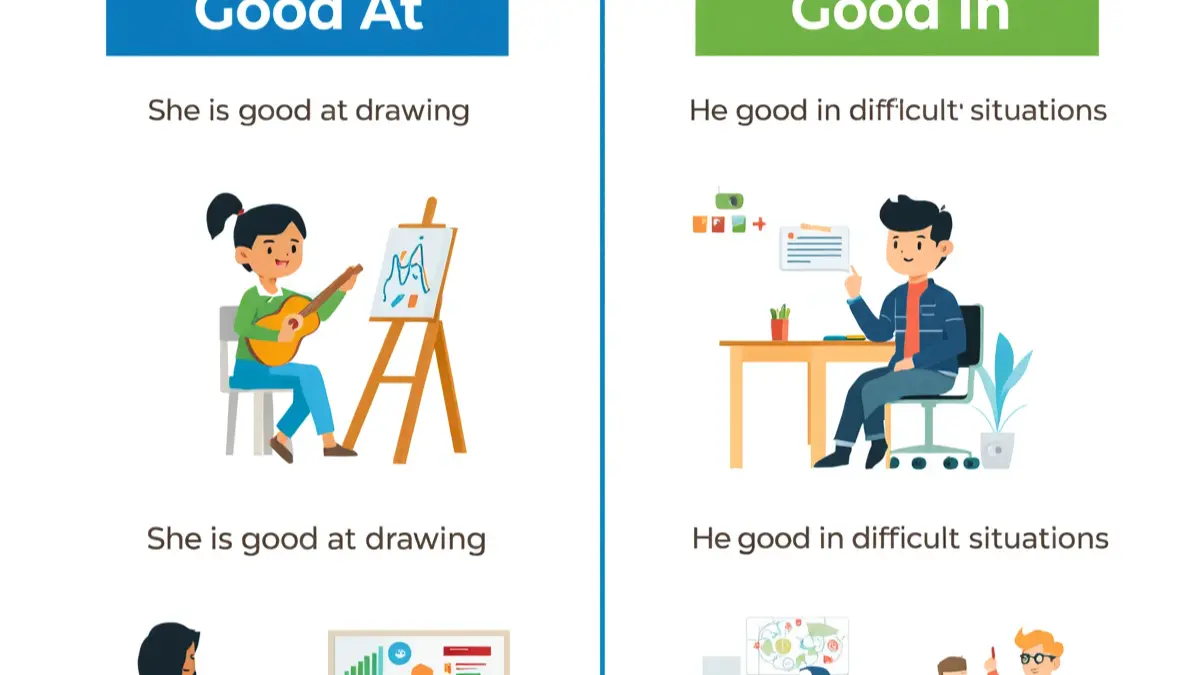
Many English learners ask the same question: should you say good at or good in? Both phrases look similar, but they are not used the same way. This small grammar difference can change how natural your English sounds. People often search for this keyword because they want to write better emails, pass English exams, improve ...
Read more
Compare to or Compare with: What’s the Difference?
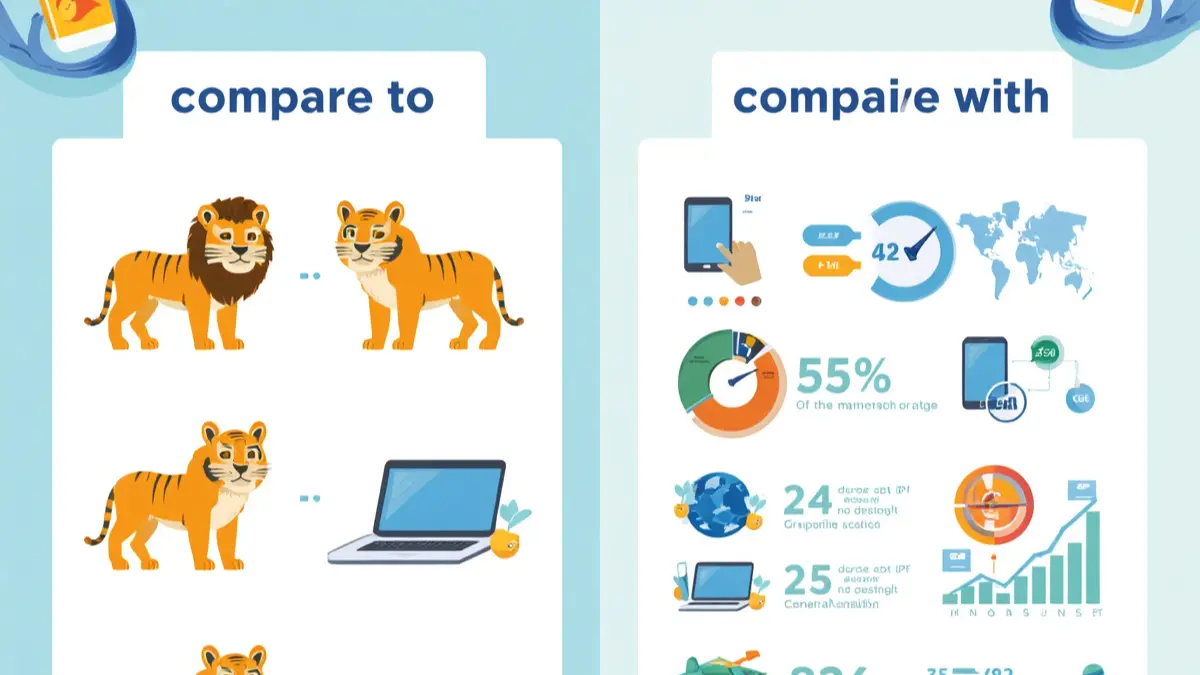
Many English learners and even native speakers get confused between “compare to” and “compare with.” Both phrases look similar, but they are not always used in the same way. This small difference often changes meaning in writing, exams, business communication, and even SEO content. People usually search for this keyword because they want a quick ...
Read more
Up to date or Up-to-Date: Meaning and Differences explained?

In everyday English, the phrase up to date or up-to-date often creates confusion for learners, writers, and even professionals. Imagine a journalist preparing a breaking news report. If their information is up to date, it means it reflects the latest facts. But if they write it incorrectly as “up to date system software is required,” ...
Read more
Benefitting or Benefiting: Understanding the Correct Spelling ?

The confusion between benefitting or benefiting is more common than you might think. Many writers, students, and even professionals often pause mid-sentence wondering which spelling is correct. Imagine a student writing an essay on environmental policies who stops repeatedly to check whether they should write, benefitting or benefiting, this small doubt can interrupt writing flow ...
Read more
Stint or Stent: Meaning, Difference, and Correct Usage Explained

The confusion between stint or stent is very common because both words look similar but have completely different meanings. Many people search “stint or stent” when they are unsure If they are spelling a medical term correctly or using the right word in writing. Imagine a student reading a hospital report and seeing the word ...
Read more