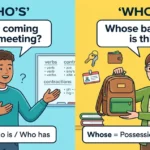
Consist of or Consist in: Meaning and Difference?

Many English learners get confused between “consist of” and “consist in.” These two phrases look similar, but they are not used in the same way. This small difference often creates big mistakes in writing, exams, emails, and professional communication. People search for this keyword because they want a clear, quick answer on which phrase is ...
Read more
Comply With or Comply To: Which One Is Correct?
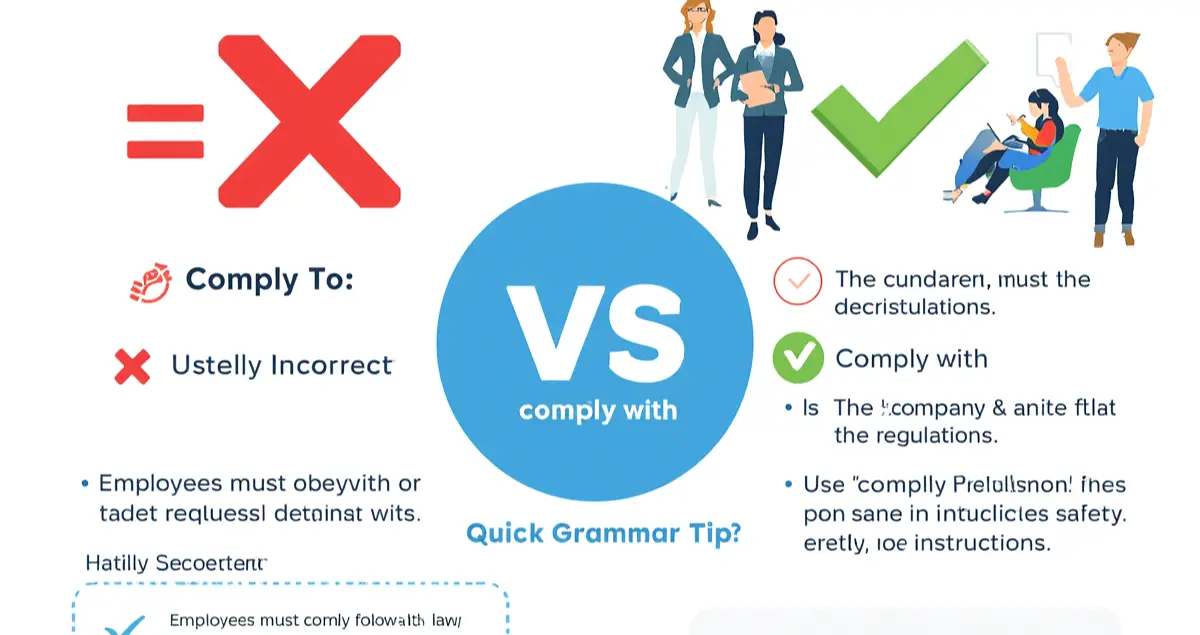
Many English learners and even native speakers get confused between “comply with” and “comply to.” Both phrases may sound similar, but only one is correct in standard English. This mistake appears often in emails, business writing, school work, and online posts. People search for “comply with or comply to” because they want to avoid grammar ...
Read more
Graduate College or Graduate From: Correct Usage?

Many English learners and even native speakers get confused between the phrases “graduate college” and “graduate from”. These expressions look similar, but only one is grammatically correct in standard English. This confusion often appears in school essays, job applications, resumes, and online searches. People search for this keyword because they want to know the correct ...
Read more
Superior to or Superior Than: Which Is Correct in English?
Many English learners get confused between “superior to” and “superior than.” Both sound similar, but only one is correct in standard English. This confusion often appears in writing, exams, emails, and professional communication. People search for this keyword because they want to know the correct grammar rule and avoid mistakes that can affect their credibility. ...
Read more
Wait For or Wait On: Which Phrase Is Correct?
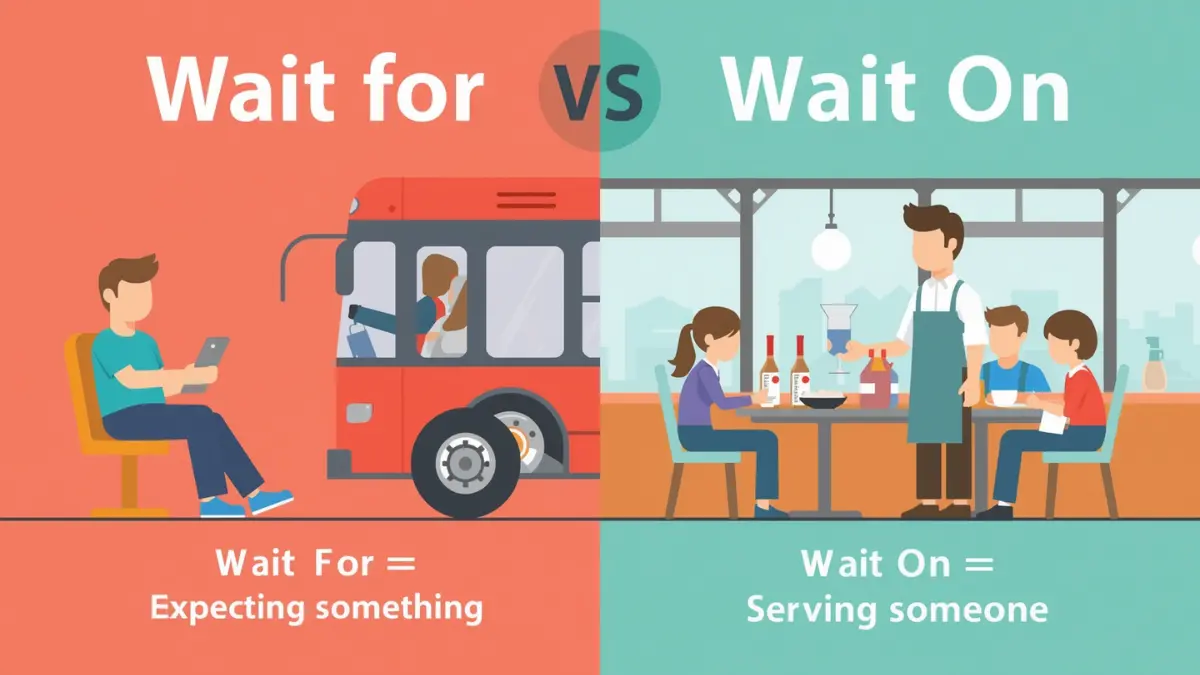
Many English learners and native speakers get confused about “wait for” or “wait on.” Both phrases sound similar, but they are not always used the same way. In some places, people say “wait for someone,” while in restaurants or customer service, you may hear “wait on someone.” This difference creates confusion in writing, speaking, and ...
Read more
Interested In or Interested On: Which One Is Correct?

Do you say interested in or interested on? Many English learners get confused about which phrase is correct. Both may sound similar, but only one works in standard English grammar. People often search for “interested in or interested on” because they want to speak and write English correctly. This confusion happens in emails, job applications, ...
Read more
Difference Between Marmot and Groundhog: in (2026)

The difference between marmot and groundhog often confuses nature lovers, students, and even wildlife researchers. At first glance, both animals look almost identical—chubby bodies, short legs, and a habit of standing upright like tiny guards. In a real-world story, a farmer in North America once spotted what he thought was a “groundhog” damaging his crops, ...
Read more
Difference Between Bolt and Screw: in (2026)
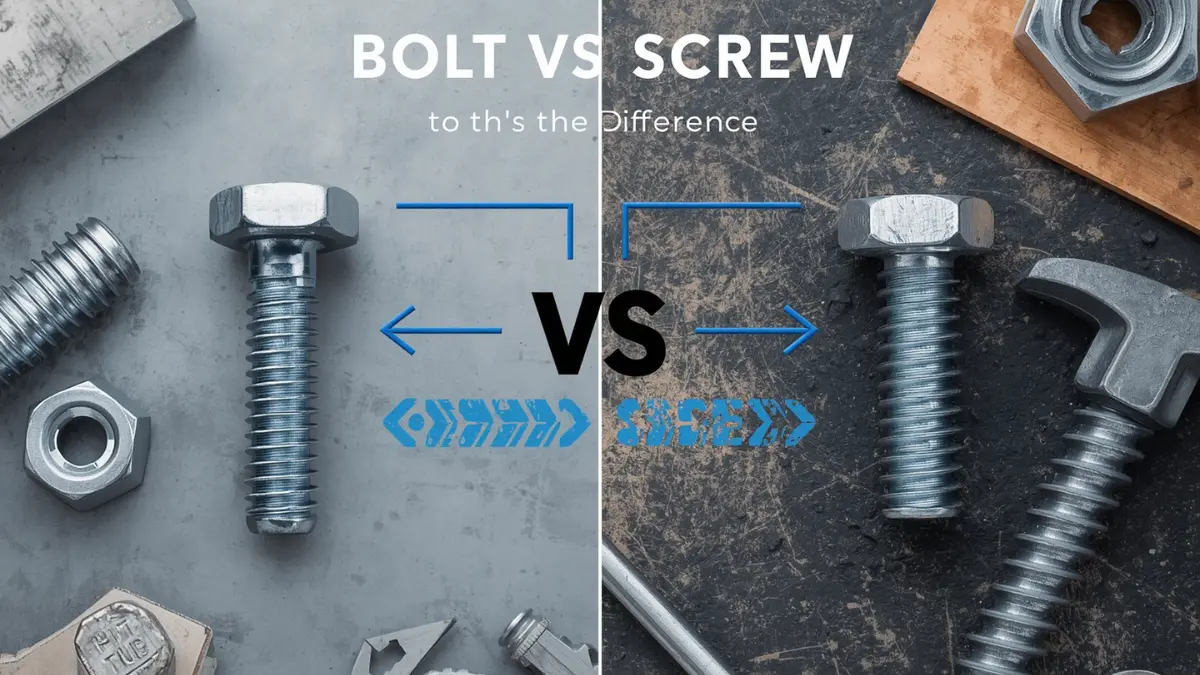
Imagine watching a carpenter repair a wooden chair while a mechanic fixes a motorcycle nearby. Both are using metal fasteners, yet one reaches for a screw while the other chooses a bolt. At first glance, they may look almost identical, but the difference between bolt and screw becomes very important when strength, stability, and safety ...
Read more
Difference Between Lowlights and Highlights: in (2026)

A woman walks into a salon wanting a fresh new hairstyle. The stylist asks, “Do you want lowlights or highlights?” She pauses because the two terms sound similar, yet they create very different effects. This is where many people become confused about the difference between lowlights and highlights. Some think both simply mean changing hair ...
Read more